
DICOM Anonymization Explained: What Your Scan Files Reveal
Every CT or MRI file carries your name, birth date and more in its header. Learn what DICOM anonymization removes, what it keeps, and how to do it yourself.
Read more →
Every CT or MRI file carries your name, birth date and more in its header. Learn what DICOM anonymization removes, what it keeps, and how to do it yourself.
Get the real images, check them, decide who needs your name, and pick a channel that fits a 500 MB folder. A practical guide to sharing scans without exposing yourself.

Metal, motion, scanner strength, and interrupted exams can limit MRI images. Learn what common report warnings mean and when a repeat may help.

Learn how scan comparisons turn years of measurements into evidence that a finding is stable, changing, or ready for closer attention.

On the Stoller MRI scale, grade 2 usually means internal degeneration, while grade 3 signal reaches a joint surface and represents a tear.

Learn what Modic types 1, 2, and 3 mean, why mixed types appear, and how endplate changes differ from disc degeneration.

Postoperative knee MRI reports use a language of their own. Learn what graft signal, repair-site changes, and uncertain findings may mean.

Learn what Fazekas, GCA, MTA and Koedam scores mean—and why age, symptoms and the overall MRI pattern matter more than one number.

This common radiology phrase is a handoff: your doctor must compare the scan with your symptoms, history, and physical exam.

Scans may suggest an unreported procedure—or fail to verify one. Learn how radiologists handle history-and-image mismatches.
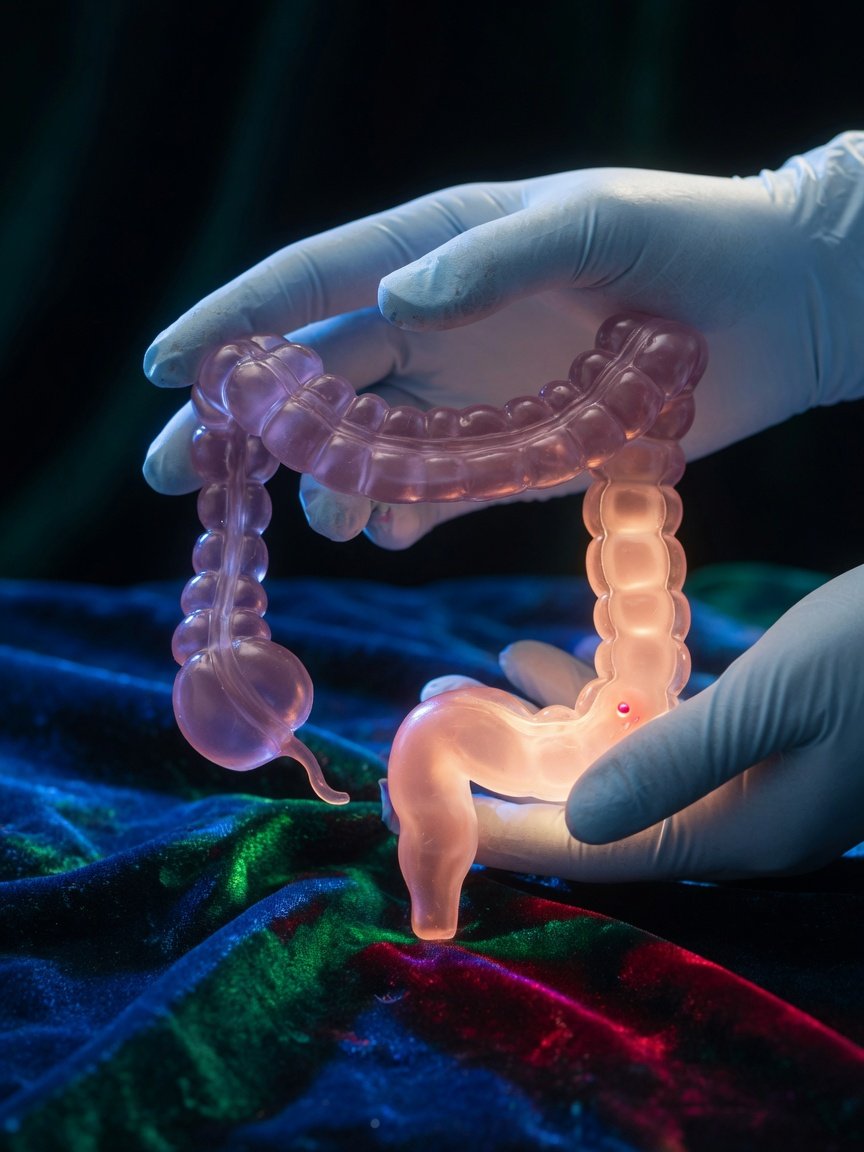
A contained perforation can often be treated without emergency surgery. Learn what CT wording means and what doctors check on follow-up imaging.

A Chiari finding during a stroke evaluation can be alarming. Learn what tonsil measurements mean and when follow-up may be appropriate.

Remote or chronic infarcts on a brain MRI are old, healed injuries—not an active stroke. Learn what these findings mean and when they matter.

A question mark in a radiology report usually signals uncertainty, not a confirmed diagnosis. Learn how to read this important punctuation.
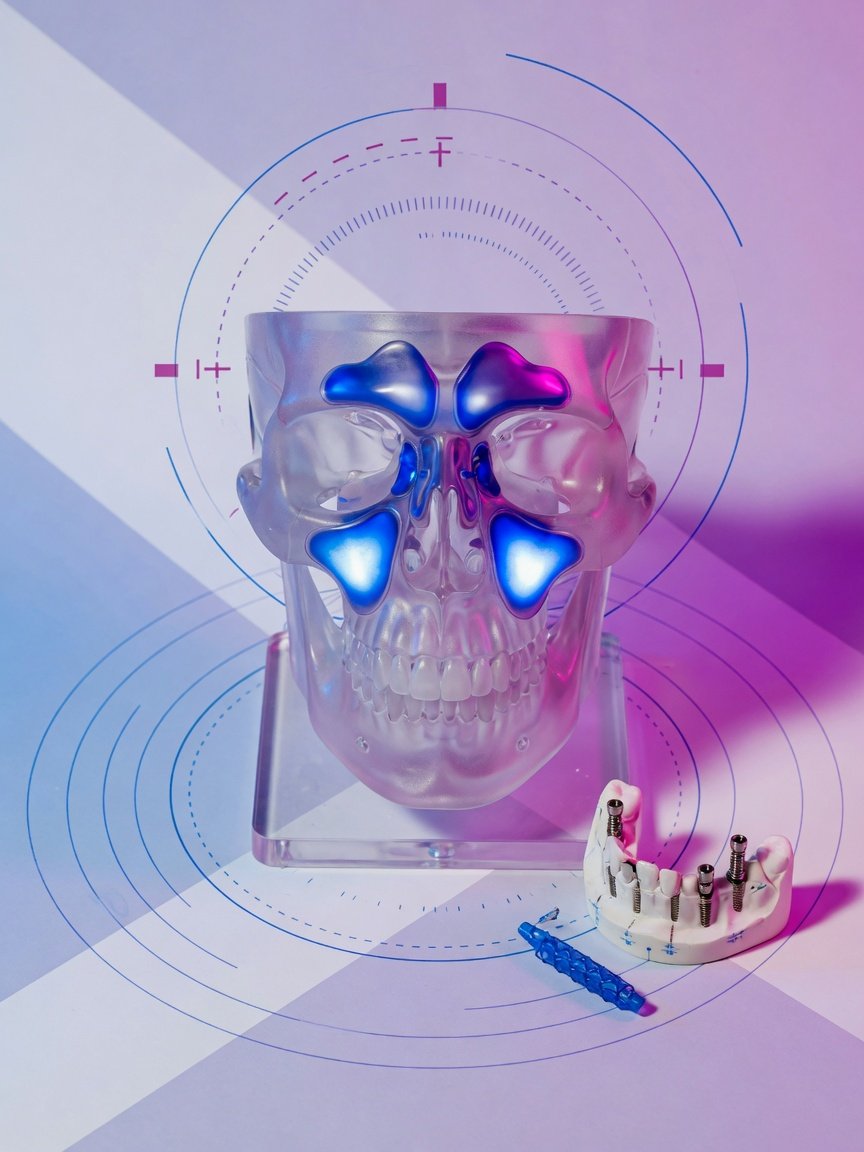
A dental CBCT captures more than implant sites. Learn why sinus and jaw-joint findings appear and which clinician can evaluate them.

Learn how CT and MRI help tell whether a spine compression fracture is recent or old, and what terms like edema and retropulsion mean.
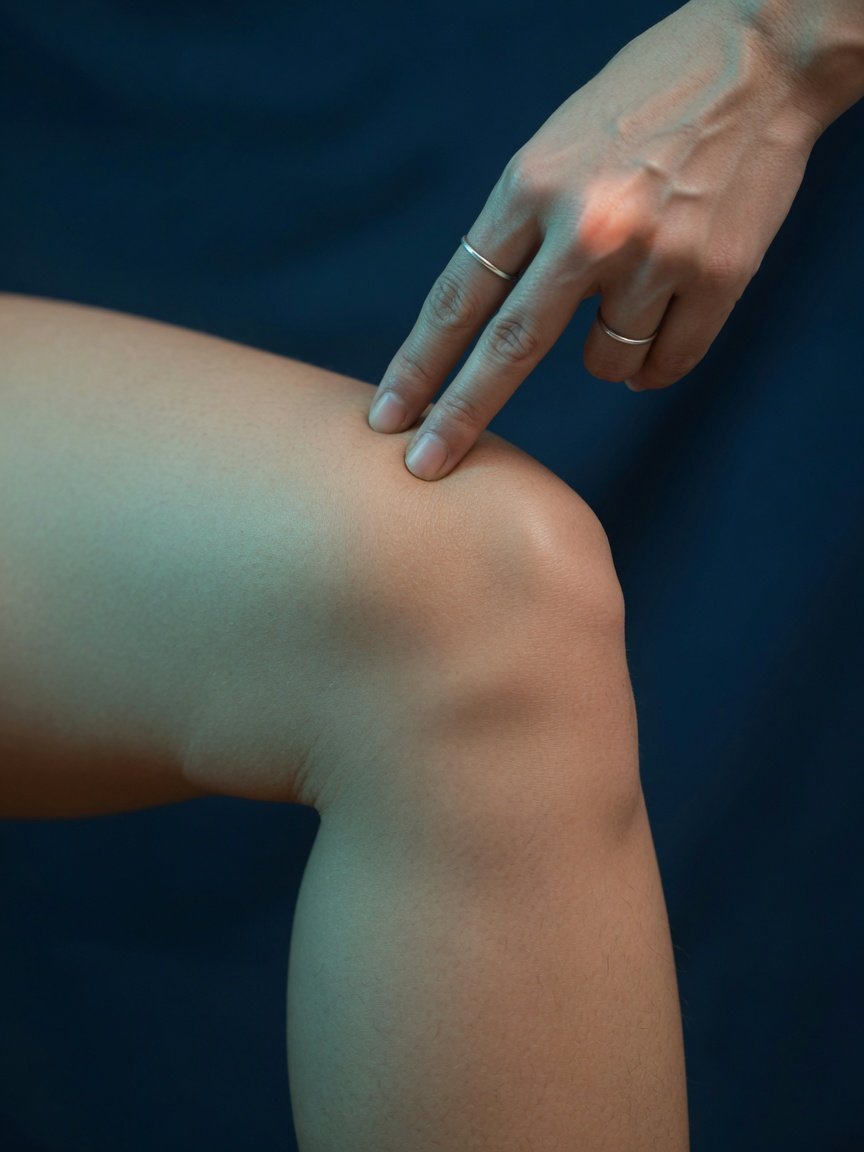
A Baker’s cyst can cause tightness behind the knee, but it often points to arthritis, meniscus wear, or joint irritation.

Normal MRA, MRV, CTA, or CT can be reassuring, but they may not answer every pulsatile tinnitus question.

Learn what common cervical MRI terms mean and how neck wear-and-tear may relate to headaches, posture, and muscle tension.
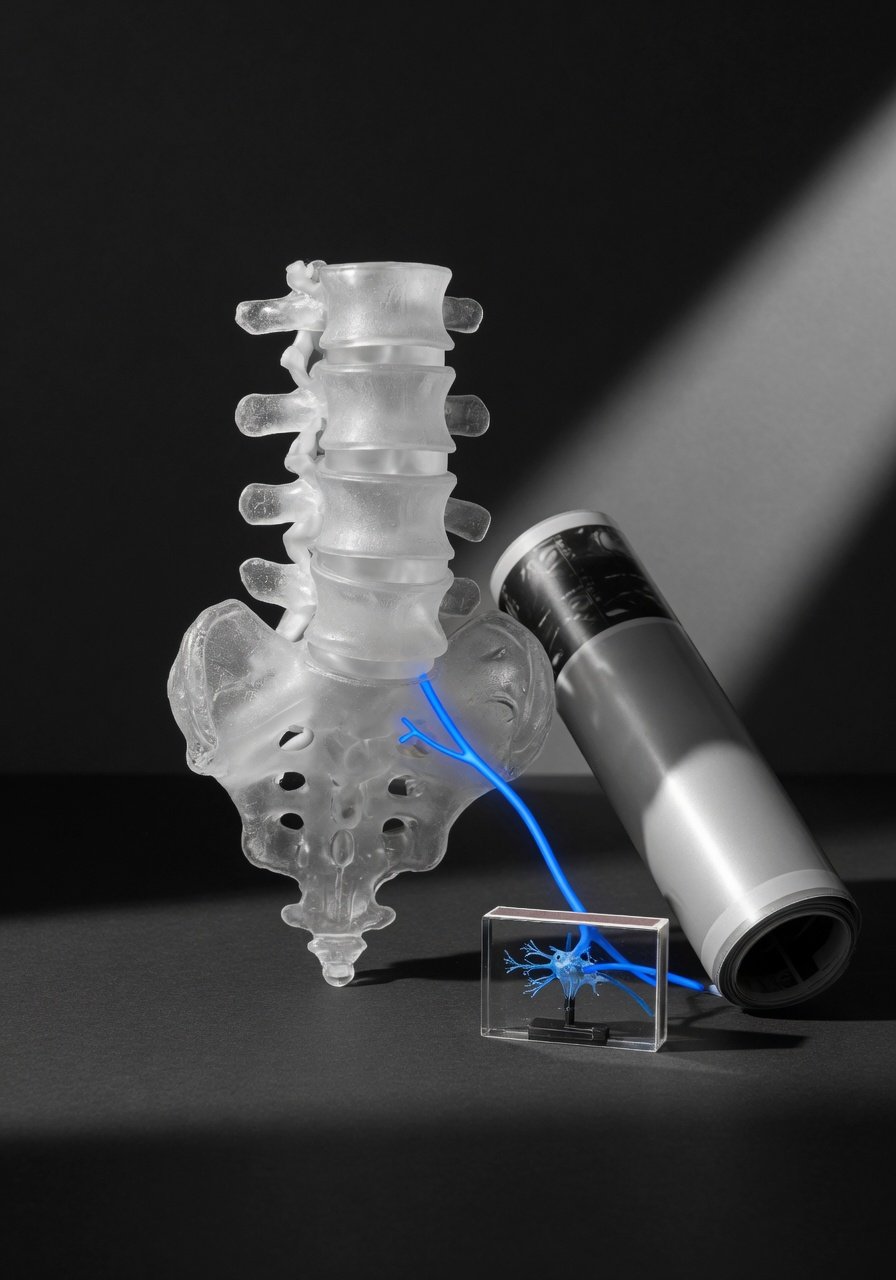
Plain-language guide to lumbar MRI terms, nerve narrowing, sciatica, numbness, weakness, foot drop, and urgent red flags.

Learn how CT reports describe lung nodules, pleural fluid, pleural thickening, and what follow-up questions to ask next.

Static scans can look normal when vascular compression happens only with position, movement, or changes in blood flow.

Understand common chest CT terms like lung scarring, nodules, bronchiectasis, emphysema, pleural effusion, and atelectasis.

Plain-language guide to hip and foot MRI terms like labrum tear, joint fluid, stress injury, fasciitis, bunions, and cysts.
Pneumobilia can be expected after ERCP or stents, but symptoms like fever, jaundice, or right-upper-abdominal pain need attention.

Learn what CT and MRI can show for tinnitus and ear fullness, and why sinus cysts or mild mastoid fluid are often incidental.

Mild sinus thickening or cysts on MRI or CT are often incidental, but symptoms help decide whether ENT follow-up is useful.

A reassuring abdominal CT can rule out many emergencies, but some digestive, urinary, and gynecologic causes need different tests.

A plain-language guide to prostate MRI reports, PSA, PI-RADS scores, BPH, prostatitis, and biopsy uncertainty.

Mild sinus thickening is often incidental, but some CT or MRI sinus findings deserve primary care, ENT, dental, or urgent evaluation.

Ulnar-sided wrist pain can come from the TFCC, ECU tendon, joint inflammation, or other subtle wrist problems.

CT or MRI can reveal prostate, kidney, scrotal, or groin findings. Learn what common incidental urologic results may mean.
Learn what breast MRI enhancement, diffusion, and BI-RADS categories mean—and why the official radiology report guides next steps.

Learn what MRCP checks, why gallstones can be hard to see, and how pancreatic cysts or pancreatitis are interpreted with labs and symptoms.

CT reports can sound alarming. Learn what bronchiectasis, mucus plugging, tree-in-bud changes, and small lung nodules often mean.

White matter spots on brain MRI can have many causes. Learn how location, symptoms, and prior scans help guide next steps.

Learn what lumbar MRI terms like disc bulge, facet arthritis, foraminal narrowing, and spinal stenosis may mean.

A plain-language guide to common pelvic MRI findings, including fibroids, endometriosis clues, ovarian cysts, and incidental scan results.
Breast MRI enhancement, DWI bright spots, and BI-RADS scores can be confusing. Learn what they mean and what to ask next.

Learn how BPH can appear on CT or MRI, how PSA and PI-RADS fit in, and which urinary symptoms urologists often review.

Pelvic MRI findings can sound scary. Learn what fibroids, ovarian cysts, adenomyosis, and pelvic masses may mean.

A plain-language guide to sinus CT inflammation, postnasal drip, chronic cough, OTC options, and when ENT care may help.

Learn how MRI helps tell complete ACL tears from partial sprains, and why the full scan and knee exam matter.

A clear guide to what uncertain CT or MRI wording means, why comparison matters, and what follow-up may come next.

Knee MRI reports can be confusing. Learn what fluid, ACL findings, meniscus tears, and bone bruises may mean.

Learn what peroneal tendinosis, tenosynovitis, and partial tearing mean on an ankle MRI report.

Knee locking, catching, clicking, and small cysts can be confusing. Learn how meniscus tears and MRI wording fit together.

A reassuring brain scan rules out many serious problems, but it may not explain headaches, dizziness, memory symptoms, or chronic changes.

Understand common knee MRI terms like effusion, bone bruise, ACL tear, and meniscus tear after injury or ongoing pain.

MRI words like marrow edema and fragmentation can sound scary. Learn how Osgood-Schlatter disease causes pain below the kneecap.
A normal brain MRI is reassuring for serious causes of headache, but it cannot give 100% certainty. Here’s what scan language means.
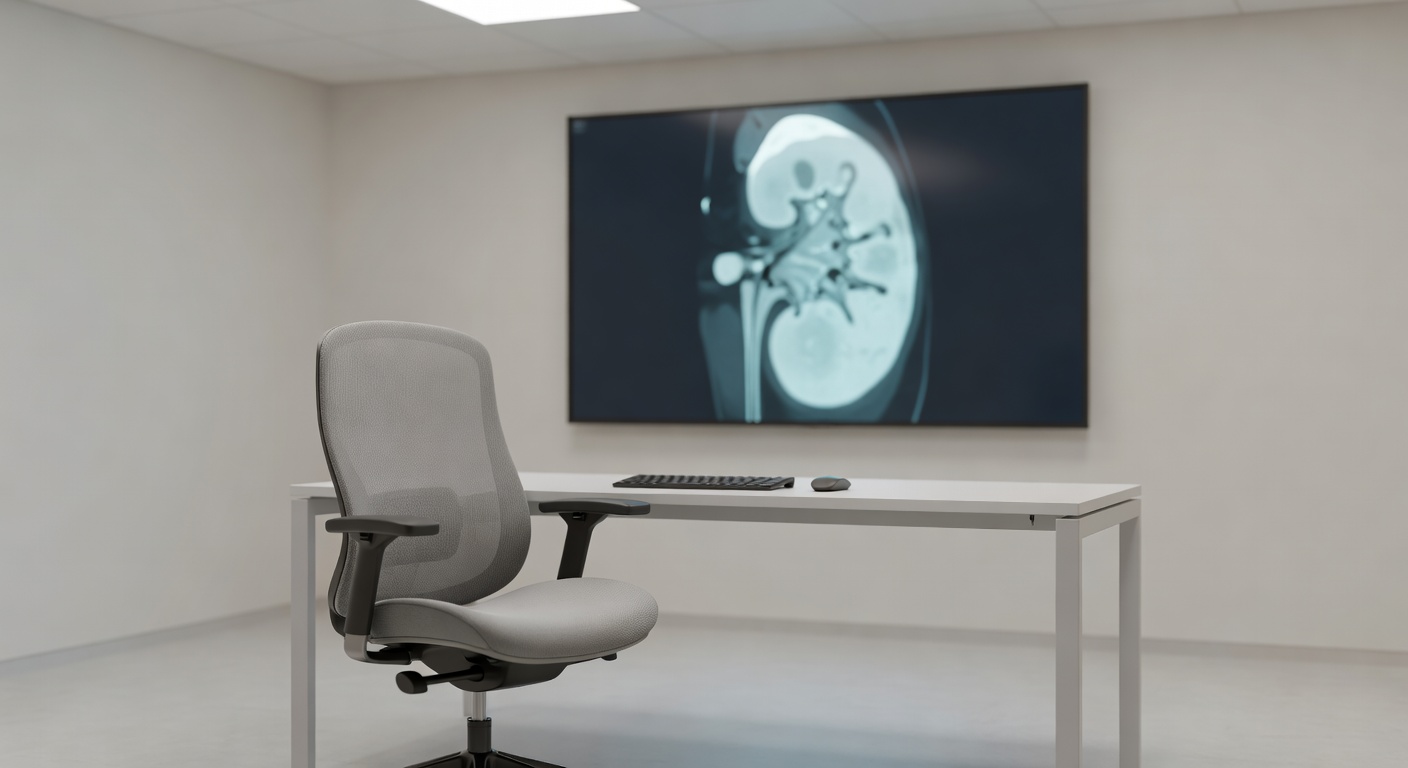
Kidney cysts are common on CT and MRI. Learn what makes a cyst look benign and when more imaging may be suggested.
Sclerotic bone lesions on CT can be worrying. Learn why PSA testing and newer imaging like PSMA PET/CT may be discussed.

Learn what common knee MRI findings like meniscus tears, small effusions, osteoarthritis, and Baker cysts may mean.

CT and MRI often show spine or hip wear-and-tear changes. Learn what these terms mean and why they may not match pain.

Aortic or artery calcification on a CT report is usually not an emergency, but it can be a useful clue about long-term heart risk.

A CT report may mention stool burden or fecal loading. Learn what it can mean, when it is incidental, and prevention basics.
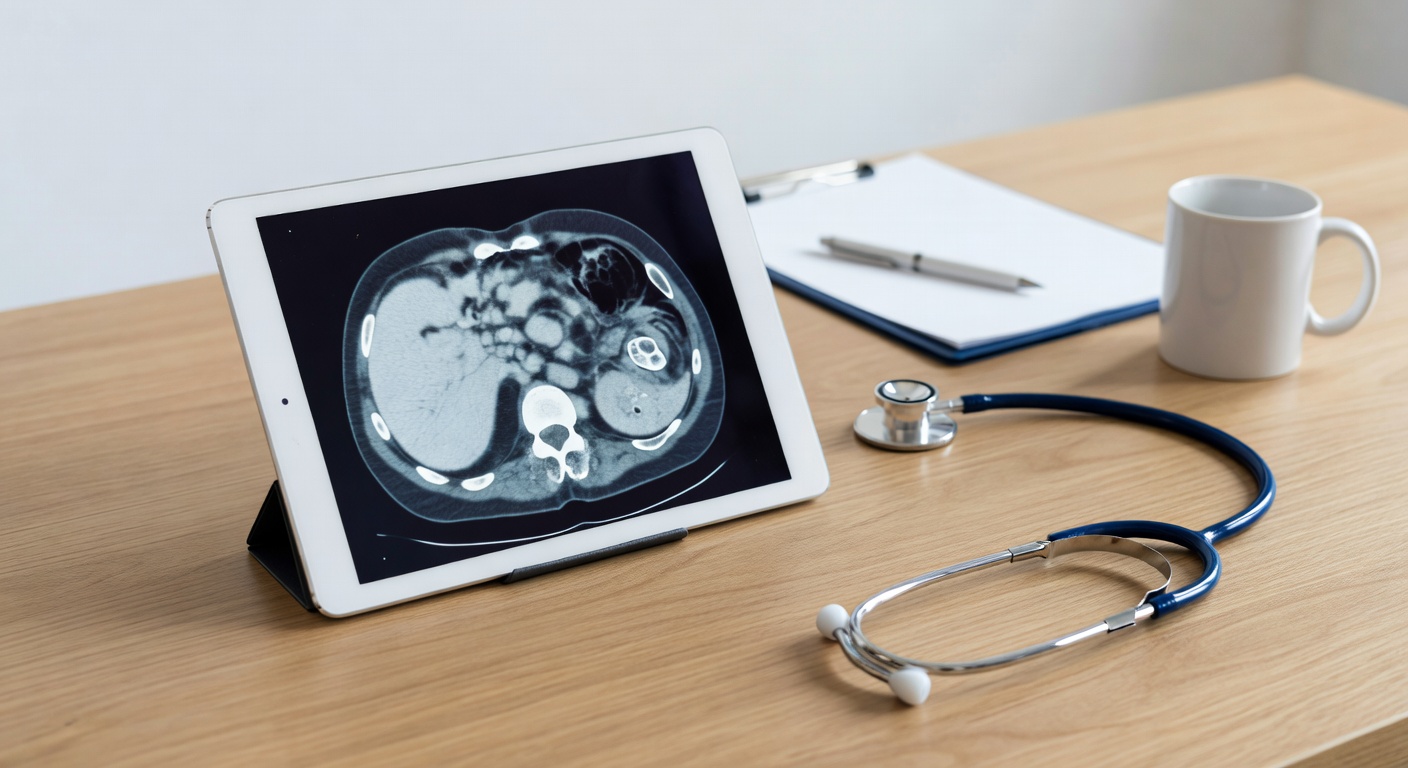
A CT may show an enlarged prostate pressing on the bladder. Learn what it can mean, which symptoms matter, and why follow-up tests may be suggested.
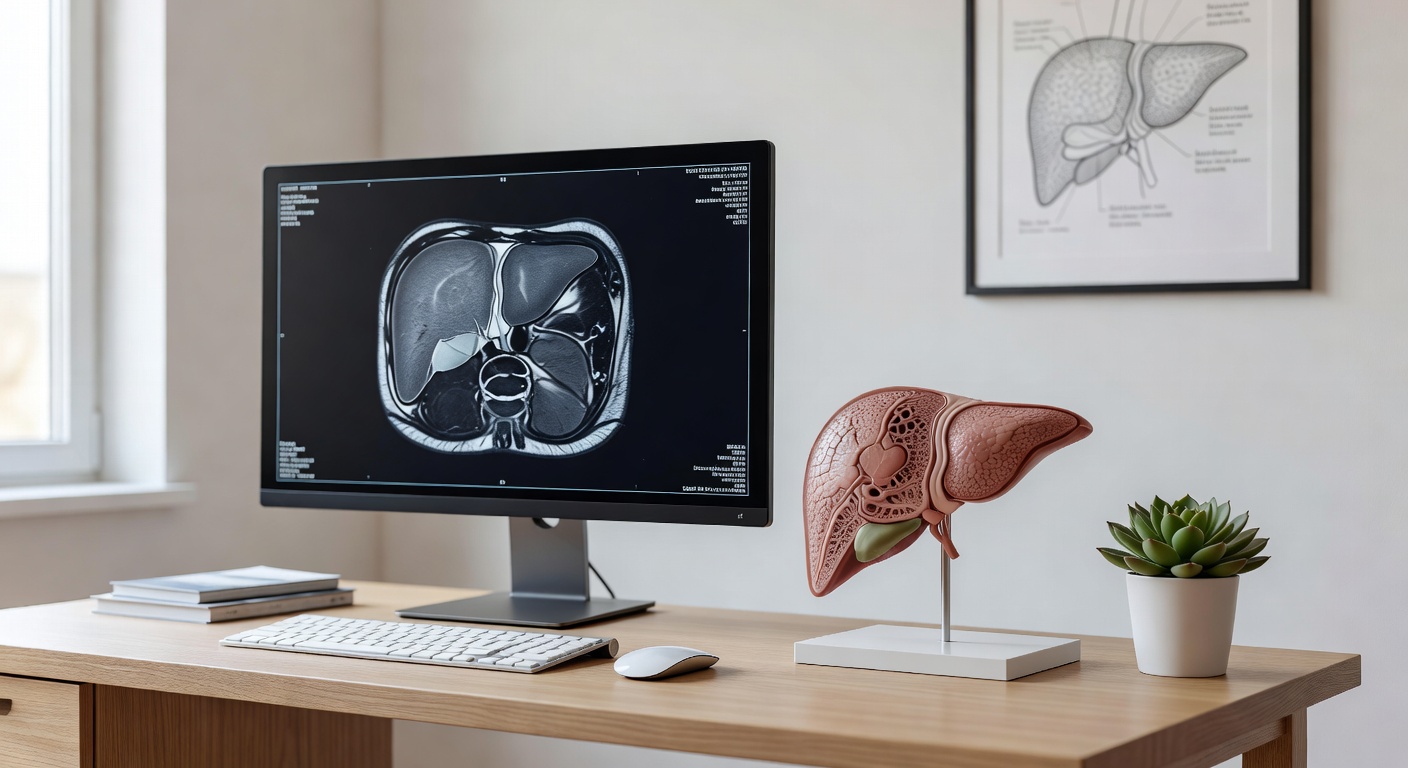
MRI can help sort liver cysts, hemangiomas, and concerning lesions. Learn what report terms mean and what to ask next.

Learn what common neck MRI terms mean, including disc bulges, bone spurs, stenosis, and mild cervical spondylosis.

MRI can show calf swelling and muscle edema, but Doppler ultrasound is often needed when a vein problem or DVT is suspected.
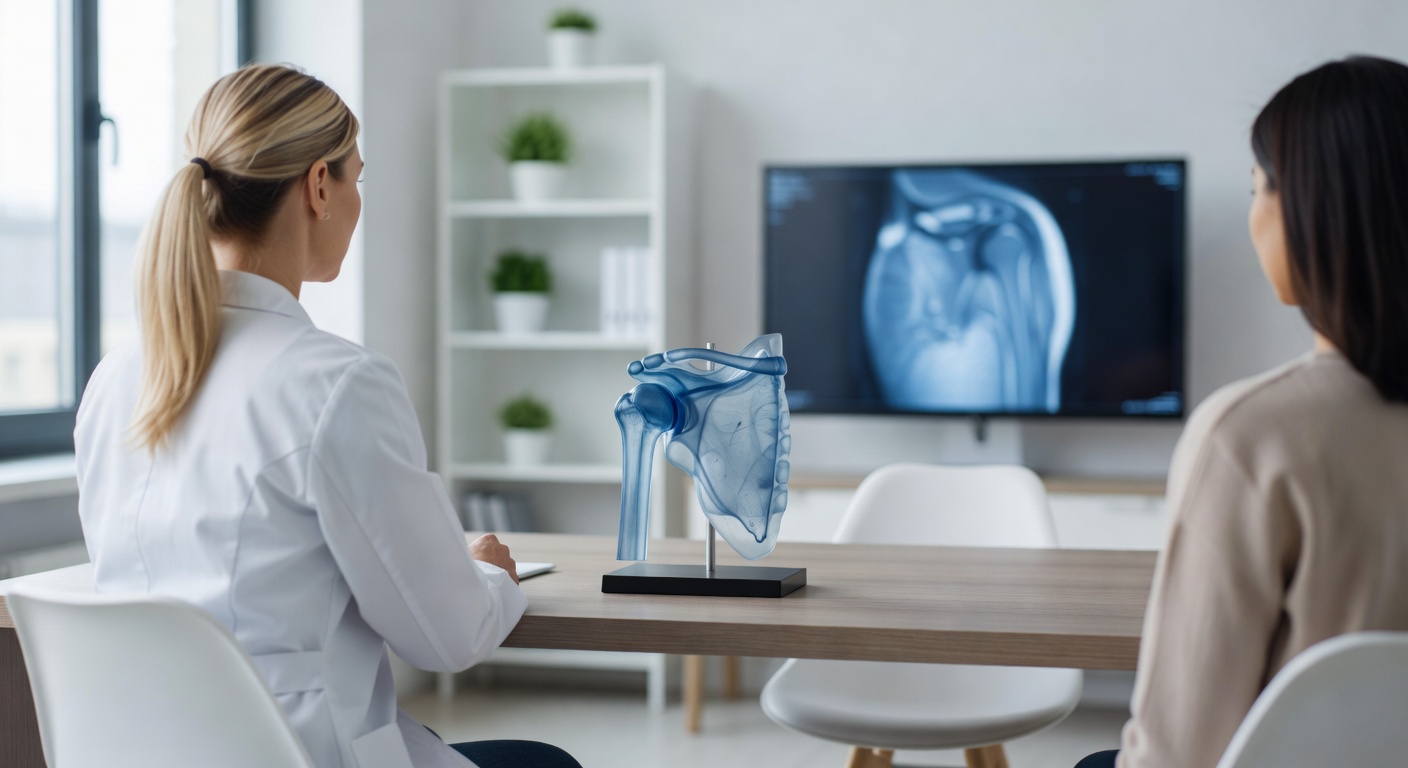
Shoulder pain can be real even without a full-thickness rotator cuff tear. Learn what mild MRI findings may mean.

Plain-language guide to knee MRI terms after twisting injuries, including ACL tears, meniscus tears, bone bruises, effusion, and patellar dislocation.
Learn how prostate MRI findings like BPH, bladder-base protrusion, PI-RADS, diffusion images, and PSA fit together.

Learn what shoulder MRI terms like tendinopathy, bursitis, partial tear, AC arthritis, and impingement may mean.

Learn what knee effusion on MRI means, why fluid builds up, and how it relates to meniscus, ligament, ACL graft, and Baker’s cyst findings.

Learn how MRI terms around the big toe joint may relate to pain, stiffness, swelling, bunions, and hallux rigidus.
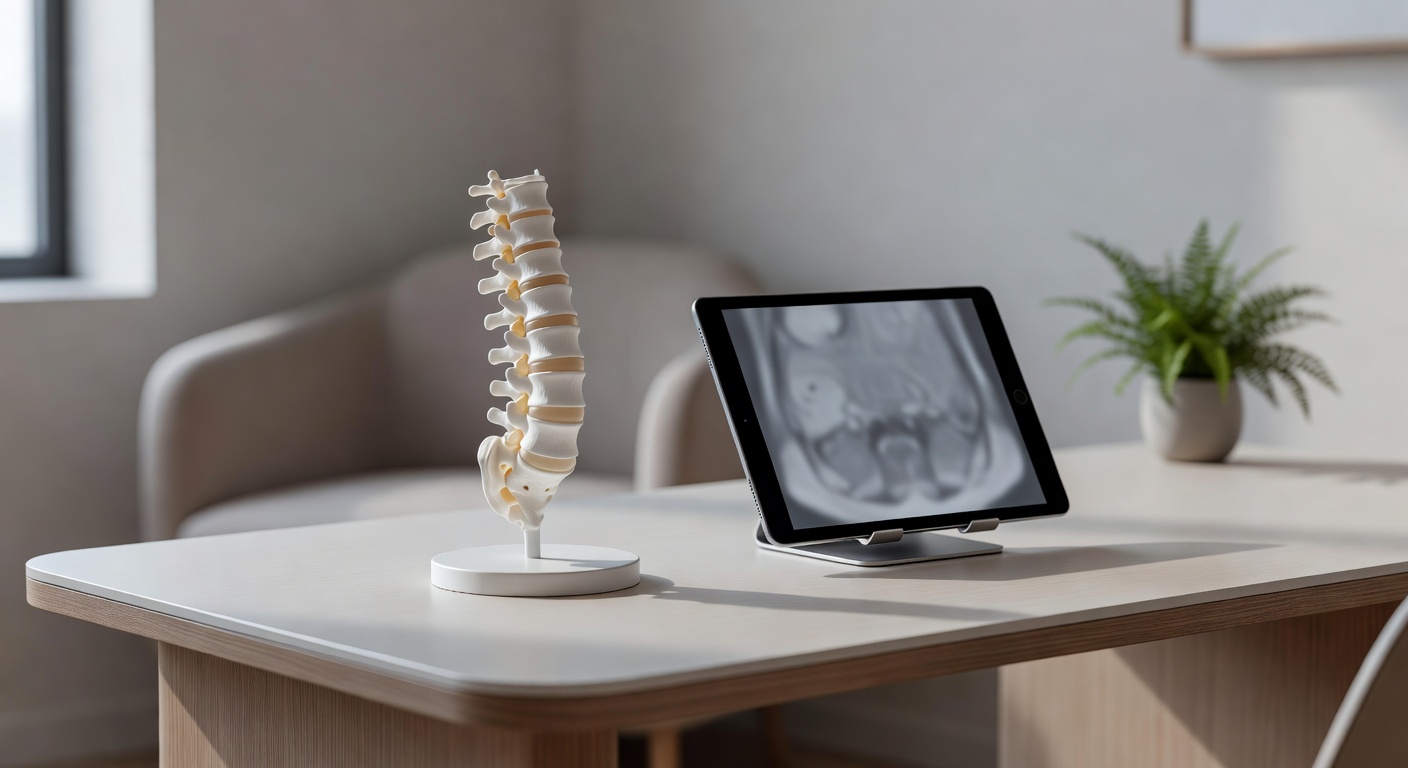
Mild disc bulges and spine wear on MRI are common. Learn how doctors match imaging findings with symptoms and exams.
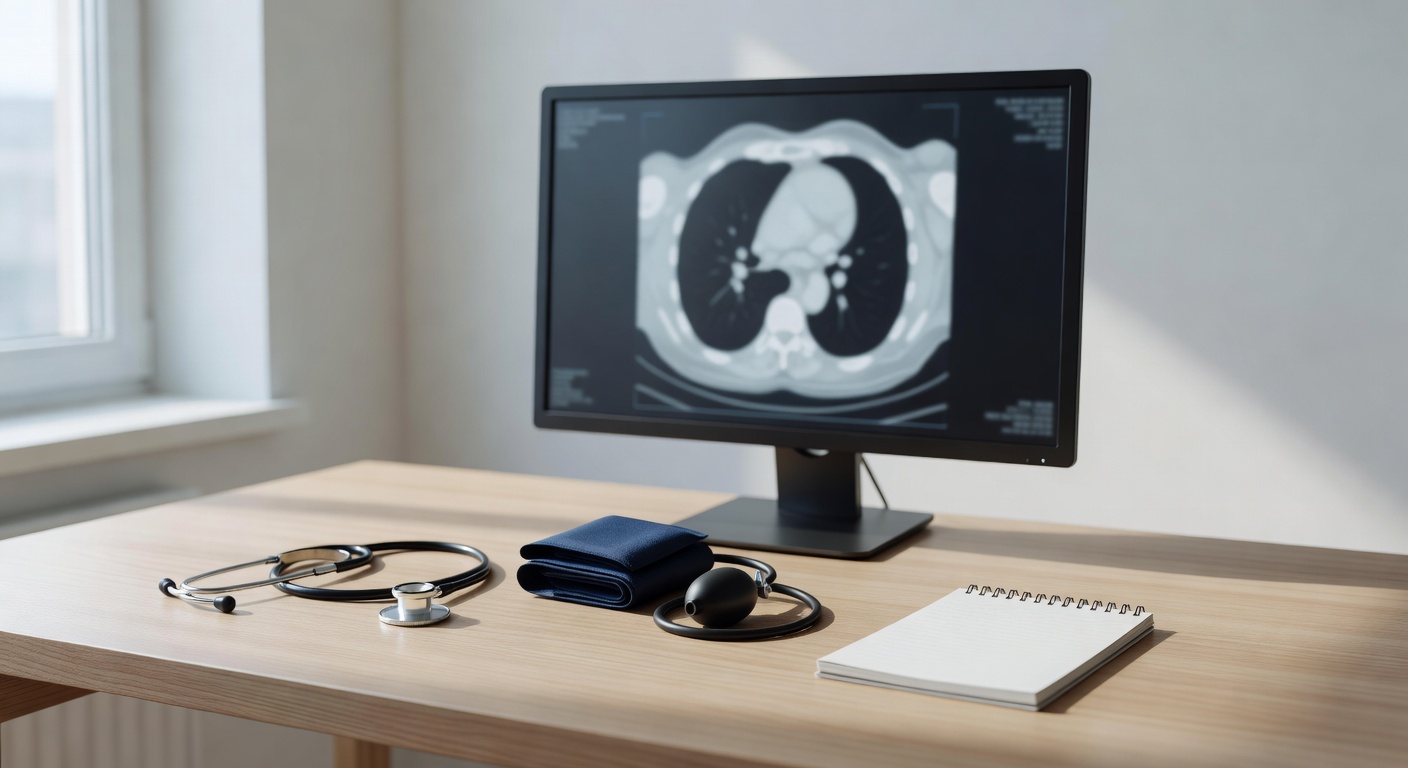
Artery calcification on a CT scan can be an important clue about heart and vascular risk, even when it is not an emergency.