
Baker’s Cyst Behind the Knee: Causes and Next Steps
A Baker’s cyst can cause tightness behind the knee, but it often points to arthritis, meniscus wear, or joint irritation.
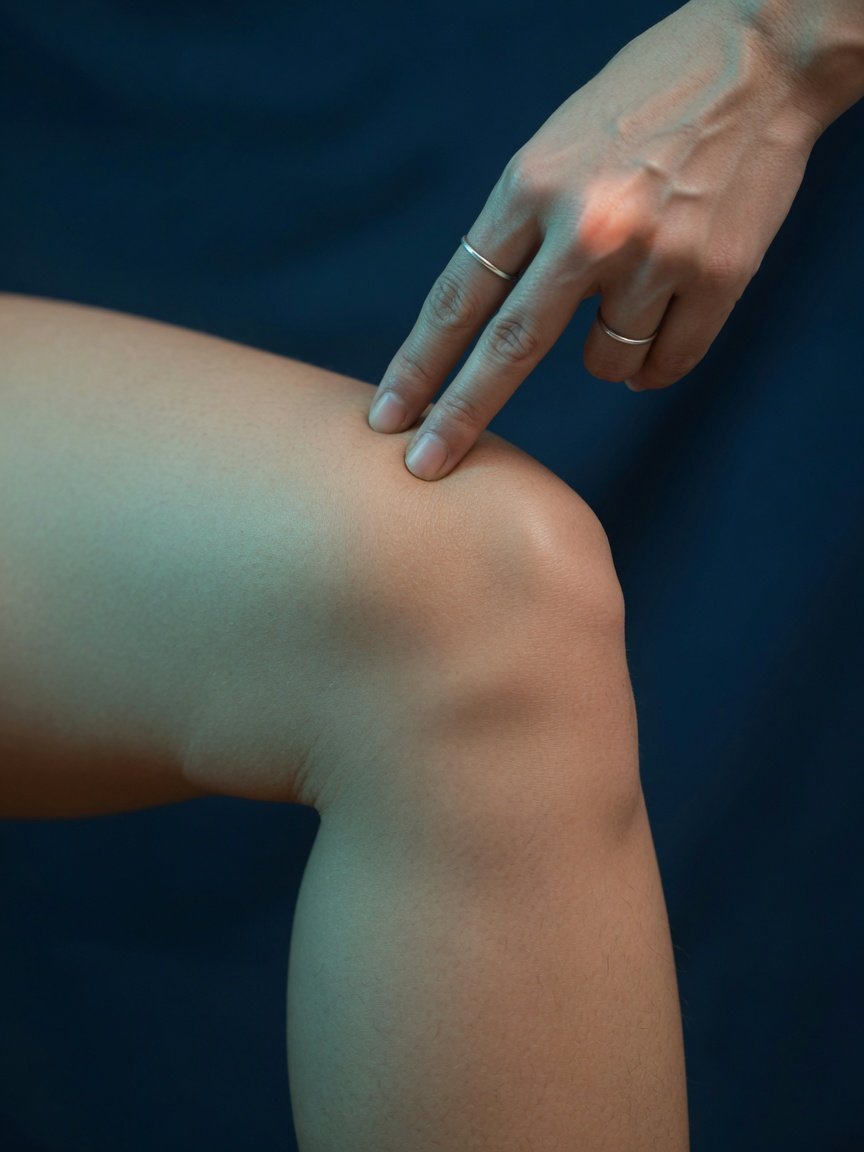
Have your own scan or report? Get a clear, plain-language explanation in minutes.
What is a Baker’s cyst?
A Baker’s cyst, also called a popliteal cyst, is a fluid-filled pocket that forms at the back of the knee. It usually sits on the inner side of the knee crease, between two tendons behind the knee.
Many people first notice it as a feeling of tightness behind the knee, fullness, or swelling that gets worse after activity. Some people feel pressure when bending the knee fully, walking downhill, hiking, climbing stairs, or playing sports such as tennis or pickleball.
A Baker’s cyst is often not the main disease. It is commonly a sign that something inside the knee is irritated and producing extra fluid.
This article is for general education only. It is not a diagnosis and cannot replace a review of your symptoms, examination, and imaging by a qualified clinician.
Why does a Baker’s cyst form?
Your knee joint normally contains a small amount of lubricating fluid. When the joint becomes irritated, it may make extra fluid. That extra fluid can collect in the back of the knee and form a Baker’s cyst.
Common causes or drivers include:
- Osteoarthritis: cartilage wear can irritate the joint and lead to swelling.
- Meniscus degeneration or tear: the meniscus is a shock-absorbing cartilage pad. Fraying, extrusion, or tearing can trigger joint fluid.
- Inflammatory arthritis: conditions that inflame the joint lining can increase fluid production.
- Recent injury or sprain: a twist, impact, ligament strain, or bone bruise can lead to swelling.
- Cartilage irritation behind the kneecap: often called chondromalacia or patellofemoral chondrosis, this can be linked with pain on stairs and joint fluid.
In knee MRI reports, Baker’s cysts often appear alongside terms such as joint effusion, chondrosis, osteoarthritis, meniscal fraying, or degenerative tear. This combination helps explain why the knee may swell after a long hike or feel tight after sport.
Is the cyst itself the problem?
Sometimes the cyst causes symptoms directly. A larger cyst can create pressure behind the knee, limit bending, or make the area feel tight. But in many cases, the cyst is more like a “pressure gauge” showing that the knee joint is irritated.
For example, if arthritis or a meniscus problem keeps producing extra fluid, treating only the cyst may give short-term relief but the fluid can return. That is why clinicians often focus on the underlying knee issue, not just the lump behind the knee.
What does a leaking or ruptured Baker’s cyst mean?
A Baker’s cyst can sometimes leak fluid into the calf. Imaging reports may describe this as leakage, partial rupture, decompression, or fluid tracking in the soft tissues behind the knee and upper calf.
When this happens, symptoms can include:
- Sudden or increasing calf discomfort
- Swelling below the knee
- A bruised or tight feeling in the calf
- Warmth or tenderness in the back of the leg
A leaking Baker’s cyst can feel alarming. It can also mimic other conditions, including a blood clot in the leg. Because those conditions cannot be safely separated by symptoms alone, new calf swelling, redness, warmth, or shortness of breath should be checked promptly.
What symptoms match a Baker’s cyst?
People describe Baker’s cyst symptoms in different ways. Common descriptions include:
- “My knee feels tight behind the knee.”
- “It swells after pickleball, hiking, or long walks.”
- “I feel pressure when I bend the knee.”
- “The back of the knee feels full, but the pain may be elsewhere.”
It is also possible to have a Baker’s cyst on MRI and feel pain mainly in another area, such as the front of the knee, inner joint line, kneecap tendon area, or tibial bump. In that situation, the cyst may be an associated finding rather than the main pain source.
How MRI reports describe Baker’s cysts
An MRI can show both the cyst and other changes inside the knee. A typical report may mention:
- Effusion: extra fluid inside the knee joint.
- Baker’s cyst: a fluid pocket behind the knee.
- Chondrosis or cartilage loss: wear or damage of the smooth joint surface.
- Osteophytes: small bone spurs seen with arthritis.
- Meniscal degeneration, extrusion, or tear: wear or displacement of the meniscus.
- Bone marrow edema: a stress or irritation signal in the bone, sometimes from arthritis, injury, or cartilage damage.
These details matter because two people with Baker’s cysts may need very different treatment plans depending on whether the main driver is arthritis, a meniscus tear, a ligament injury, inflammation, or a recent impact.
What treatments may help?
Treatment depends on symptoms, examination findings, activity goals, and the full imaging report. Many Baker’s cysts are managed without surgery, especially when symptoms are mild or linked to overuse.
Activity and load changes
Short-term changes may help calm the knee. This can include reducing steep hills, deep squats, high-impact sports, long hikes, or repeated twisting while the knee is swollen. The goal is usually not to stop moving forever, but to find a level of activity the knee can tolerate while it settles.
Physical therapy
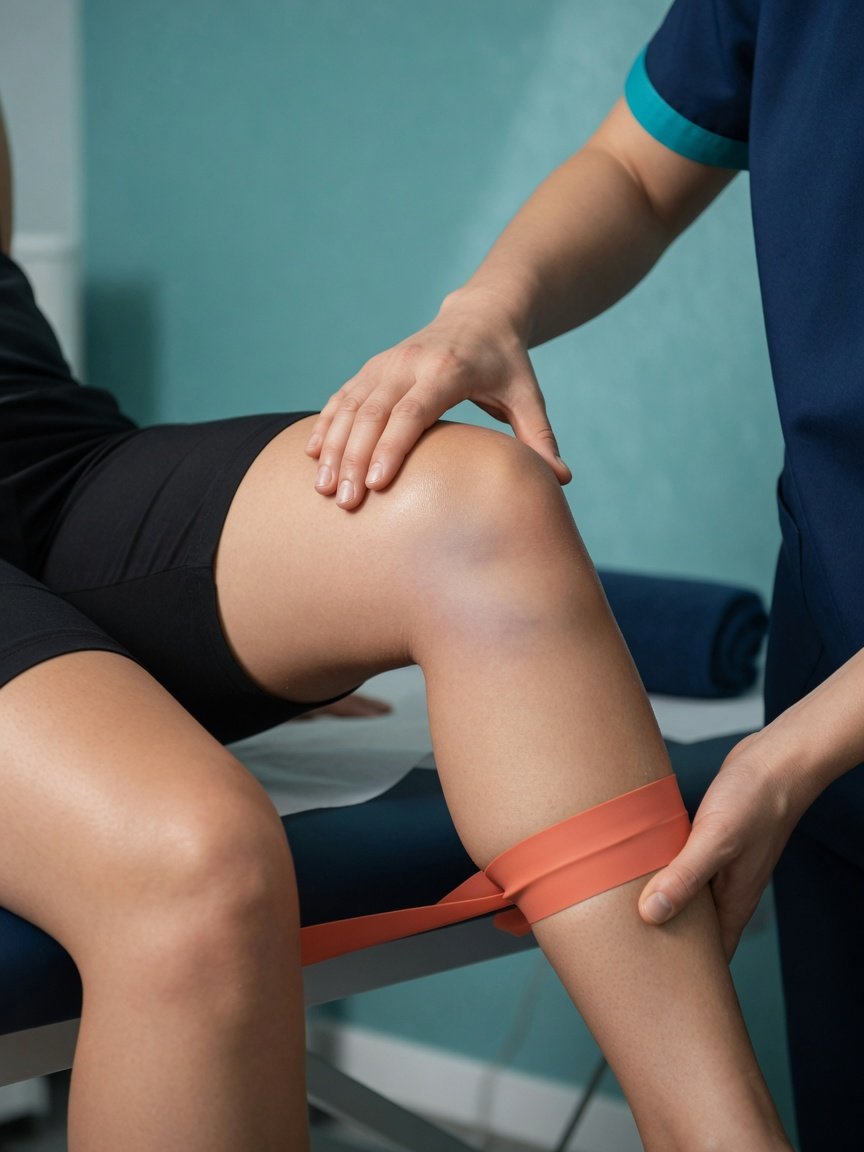
Physical therapy may focus on strengthening the quadriceps, hamstrings, hips, and calf muscles; improving balance; and adjusting movement patterns. For kneecap-related cartilage irritation, therapy may also address kneecap tracking and stair mechanics.
Medication and anti-inflammatory options
Some clinicians recommend pain-relieving or anti-inflammatory medicines when appropriate. These are not safe for everyone, especially people with certain stomach, kidney, heart, blood pressure, or blood-thinning concerns, so they should be discussed with a healthcare professional.
Injections or aspiration
In some cases, a clinician may consider draining fluid or using an injection to reduce inflammation. Often, the injection is directed at the knee joint rather than only the cyst, because the cyst may be refilling from joint fluid. Cyst drainage can be useful in selected cases, but recurrence can happen if the underlying joint irritation continues.
Surgery
Surgery is not automatically required for a Baker’s cyst. If surgery is discussed, it is usually because of the underlying problem, such as a meniscus tear causing mechanical locking, advanced arthritis, instability, or persistent symptoms that have not improved with non-surgical care. Removing the cyst alone is uncommon because it may return if the joint keeps producing extra fluid.
Questions to ask after an MRI shows a Baker’s cyst
- Is the cyst small, moderate, or large?
- Is there evidence that it is leaking or ruptured?
- How much joint fluid is present?
- Is arthritis, cartilage wear, or a meniscus tear likely driving the swelling?
- Do my symptoms match the cyst, or is another area of the knee more likely causing pain?
- What activities should I modify while staying as active as possible?
- Would physical therapy, bracing, injections, or further orthopedic review be appropriate?
Staying active with a Baker’s cyst
Many people with Baker’s cysts want to keep walking, hiking, playing sports, and using stairs. A helpful approach is to track which activities cause swelling later that day or the next morning. Swelling after activity often means the knee did more than it could currently tolerate.
Lower-impact options such as cycling, swimming, or flat walking may be easier during a flare, but the best plan depends on the person’s knee condition and overall health. A sports medicine clinician or physiotherapist can help build a gradual return plan.
When to talk to your doctor
Talk to your doctor, physiotherapist, sports medicine clinician, or orthopedic specialist if you have ongoing tightness behind the knee, repeated swelling after activity, pain that limits walking, locking, giving way, or symptoms that are not improving.
Seek urgent medical care if you develop sudden calf swelling, redness, warmth, severe or rapidly worsening pain, fever, inability to bear weight, chest pain, or shortness of breath. These symptoms need prompt assessment because they may be caused by conditions other than a Baker’s cyst.
Get AI-powered analysis of your CT or MRI scan
Upload your DICOM files and receive a clear, patient-friendly report in minutes.
Analyze my scan