
Stool Burden on CT: What Constipation Can Look Like
A CT report may mention stool burden or fecal loading. Learn what it can mean, when it is incidental, and prevention basics.

Have your own scan or report? Get a clear, plain-language explanation in minutes.
What does “stool burden” mean on a CT scan?
If you read a CT report and see phrases like “moderate stool burden,” “large rectal stool burden,” “fecal loading,” or “stool in the rectosigmoid colon,” it usually means the radiologist saw a larger-than-expected amount of stool in part of the colon or rectum.
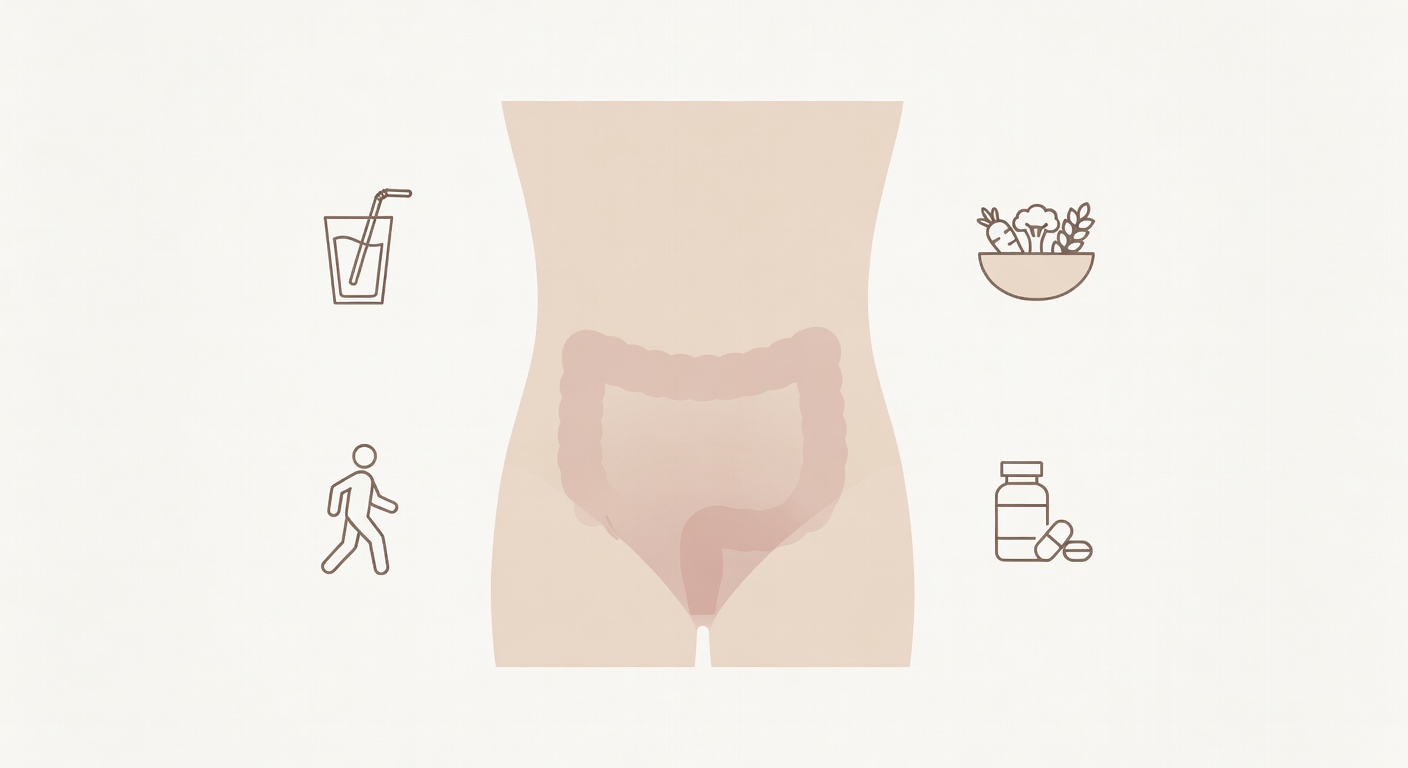
The colon is the last part of the digestive tract. Its job is to absorb water and move stool toward the rectum. On CT images, stool has a recognizable appearance. It may contain small pockets of gas and can collect in the colon, especially in the rectum or rectosigmoid colon, which is the lower left part of the colon just before the rectum.
“Stool burden” is an imaging description, not a diagnosis by itself. It needs to be interpreted along with symptoms, the reason for the CT scan, and the full radiology report.
Why stool burden is often found during CT scans for other symptoms
Many CT scans are ordered to look for causes of abdominal pain, pelvic pain, flank pain, urinary symptoms, or suspected kidney stones. Because CT images include the bowel, radiologists may also notice stool in the colon even when the scan was ordered for a urinary or other concern.
For example, a CT urogram or “uro-scan” may be done to look for a kidney stone or urinary blockage. The report might say there is no hydronephrosis, no definite stone, and no acute urinary obstruction, but it may also mention a moderate-to-large stool burden in the rectum. In that setting, stool burden can be an important clue if the person also has bloating, pressure, or difficulty passing stool.
Sometimes stool burden is incidental, meaning it is seen on the scan but may not be the main cause of symptoms. Other times, it may help explain discomfort, fullness, or pressure. The key is correlation: imaging findings should be matched with what the patient is actually experiencing.
Can constipation cause abdominal, pelvic, or urinary symptoms?
Constipation can feel different from person to person. Some people think constipation only means not having a bowel movement for several days, but it can also mean hard stools, straining, incomplete emptying, or a feeling that stool is stuck.
A larger stool burden, especially in the rectum or rectosigmoid colon, may contribute to symptoms such as:
- Bloating or a swollen feeling in the abdomen
- Lower abdominal discomfort or cramping
- Pelvic pressure or rectal fullness
- Reduced appetite or early fullness
- Back or hip-area discomfort in some cases
- Urinary frequency, urgency, or pressure, because the rectum and bladder sit close together in the pelvis
This does not mean constipation is always the cause of urinary symptoms. Urinary tract infections, kidney stones, prostate enlargement, bladder conditions, gynecologic conditions, and other medical issues can cause similar symptoms. A CT finding of stool burden is one piece of the overall picture.
What radiologists look for besides stool amount
When radiologists mention stool burden, they are usually also checking for signs that would make the finding more concerning. These may include bowel obstruction, inflammation, free air, free fluid, or changes around the rectum or colon.
A report that says there is stool burden without bowel obstruction, free air, or inflammatory change is generally describing stool accumulation without obvious CT signs of a complication. That can be reassuring, but it does not replace medical evaluation if symptoms are severe or worsening.
Radiologists may also mention related or separate findings, such as diverticulosis. Diverticulosis means small pouches are present in the colon wall. It is not the same as diverticulitis, which is inflammation or infection of those pouches. A report may say diverticulosis is present but there are no CT signs of acute diverticulitis.
When stool burden may be incidental
Not every stool burden finding means a person has clinically important constipation. Stool naturally moves through the colon, and the amount seen on one CT scan can vary depending on recent meals, hydration, bowel habits, medications, and timing of the last bowel movement.
Stool burden may be more likely to matter when it matches symptoms, such as hard stools, straining, bloating, pelvic pressure, or a sense of incomplete emptying. It may be less important if the person has normal bowel habits and the CT was done for a clearly unrelated reason.
It is also important not to focus only on stool burden if the CT report contains other findings that need attention. Some scans may show unrelated issues involving the kidneys, prostate, bones, blood vessels, or abdominal organs. The full report should be reviewed with a qualified clinician.
Everyday factors that can contribute to constipation
Constipation often has more than one cause. Common contributors include:
- Low fluid intake, especially when combined with higher fiber intake
- Low fiber intake from limited fruits, vegetables, beans, or whole grains
- Low physical activity or long periods of sitting
- Ignoring the urge to have a bowel movement
- Travel or routine changes
- Certain medications, including some pain medicines, iron supplements, antacids with calcium or aluminum, some antidepressants, and some bladder or allergy medicines
- Medical conditions such as diabetes, thyroid disease, neurologic conditions, pelvic floor problems, or bowel disorders
Because medications and medical conditions can play a role, it is wise to discuss ongoing constipation with a clinician rather than assuming it is only diet-related.
General prevention basics for bowel regularity
The basics of constipation prevention are simple, but they work best when they are consistent. These are general education points, not individualized treatment instructions.
Hydration
Fluids help stool stay softer and easier to pass. Water is a good default choice. People with heart failure, kidney disease, or fluid restrictions should follow their clinician’s guidance about fluid intake.
Fiber from food
Fiber adds bulk and helps stool move through the bowel. Many people get fiber from vegetables, fruits, beans, lentils, oats, and whole grains. Increasing fiber too quickly can worsen gas and bloating, so gradual changes are often better tolerated.
Movement
Regular movement can support bowel motility. This does not have to mean intense exercise. Walking, stretching, and reducing long sitting periods may help many people maintain a more regular pattern.
Bathroom routine
The bowel often responds to routine. Some people find it helpful to allow unhurried bathroom time, especially after meals, when the colon naturally becomes more active.
Medication review
If constipation started after a new medication or dose change, a medication review can be useful. Do not stop prescribed medicines without discussing it with a healthcare professional.
How to read the CT report in context
When reviewing a CT report that mentions stool burden, consider the whole impression section, not just one phrase. Useful questions include:
- Was the stool burden described as mild, moderate, or large?
- Was it located mainly in the rectum or rectosigmoid colon?
- Did the report mention obstruction, inflammation, free air, or free fluid?
- Were there other findings that need follow-up?
- Do the imaging findings match current symptoms?
A radiology report is meant to guide clinical care. It cannot determine by itself whether constipation is the main cause of pain, urinary pressure, or bloating.
When to talk to your doctor
This article is general education and is not a diagnosis. Talk to your doctor if constipation is new, persistent, worsening, or associated with significant pain, vomiting, fever, blood in the stool, unexplained weight loss, inability to pass stool or gas, black stools, new anemia, or major changes in bowel habits. Also seek medical care promptly for severe abdominal pain, urinary retention, blood in the urine, or symptoms that are rapidly getting worse.
Get AI-powered analysis of your CT or MRI scan
Upload your DICOM files and receive a clear, patient-friendly report in minutes.
Analyze my scan